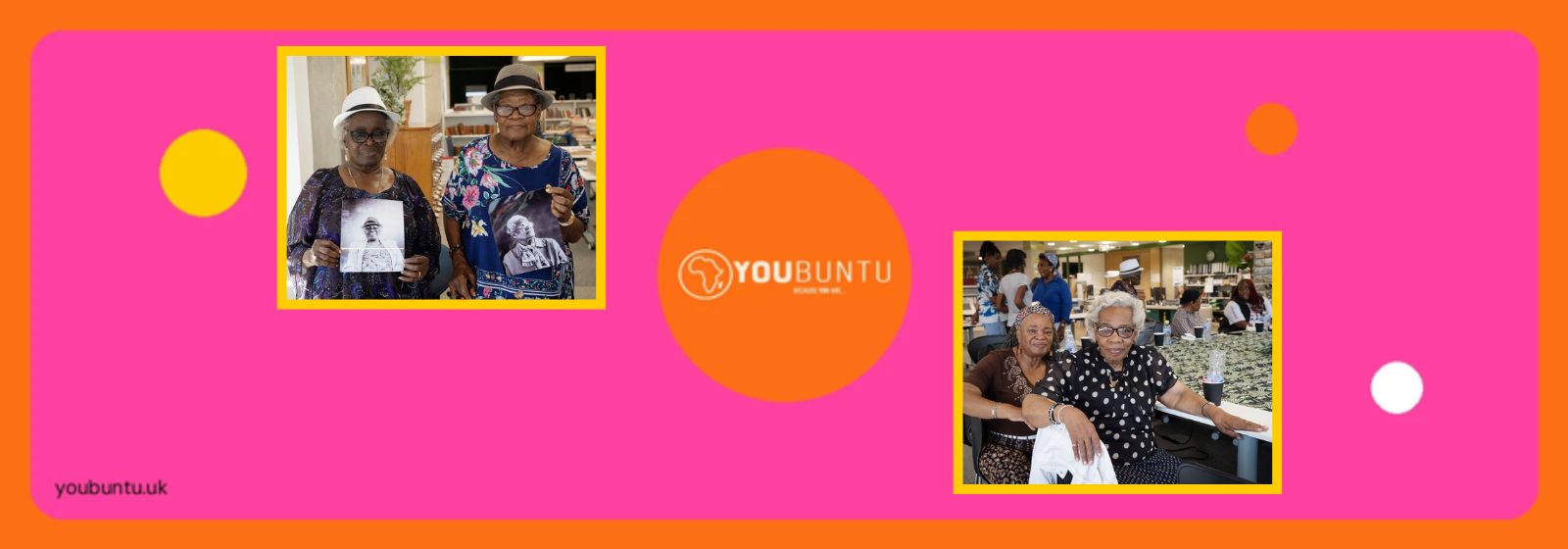
In Hackney library, teenagers sit with Caribbean elders over curry goat and rice, but they're not just sharing a meal. They're making history.
The Stories of Windrush project represents something remarkable: one of the UK's first archives where young people collect first-hand accounts from Windrush generation elders. Led by Voyage Youth, a social justice charity, the project creates permanent records for Hackney Archives whilst opening unexpected career doors for local teenagers.
Beyond the Textbooks
Zainab Awonoki started working on the archive at 15. Despite learning about Windrush at her Hackney secondary school, the real education came through direct conversation. "Hearing their stories first hand lets you see that they practically fought for us to actually stay here," she reflects.
This personal connection transforms abstract history into lived experience. When 74-year-old Claudette Barned shares memories of arriving from Jamaica aged nine, shocked by Clapton's freezing temperatures, young archivists understand migration as individual courage, not just curriculum content.
Creating Pathways, Not Just Records
Paul Anderson, CEO of Voyage Youth, sees the project addressing youth unemployment whilst preserving community memory. For many participants, it reveals "a route into the heritage sector, a reason to consider higher education, and a genuine change of pathway into a field where African and Caribbean communities remain significantly under-represented."
This matters particularly in Hackney, where children experience some of England's highest poverty rates. The project demonstrates how community assets—elder knowledge and young energy—can create opportunities that formal education systems often miss.
Responsibility and Recognition
The teenagers understand their role's weight. As Awonoki notes, collecting stories like 85-year-old Yvonne Straughn's experiences of hostile patients whilst working as a Caribbean nurse carries "big responsibility," especially during current rollbacks of diversity initiatives.
Research confirms that archive access improves educational attainment and increases awareness of local decision-making. But this project goes further—it positions young people as historians, not just history students.
What Schools Can Learn
This model offers powerful lessons for educators. Rather than treating community elders as occasional visitors, schools could develop sustained partnerships where students become active collectors of local history. The approach builds research skills, interview techniques, and digital literacy whilst strengthening intergenerational connections.
Most importantly, it demonstrates how learning happens when young people hold meaningful responsibility. These teenagers aren't just listening to stories—they're ensuring those stories survive.
The project's success lies in recognising that heritage preservation works best when communities lead it themselves. When Claudette Barned says "when we die our stories are shared and when they're old they can repeat the cycle," she's describing sustainable knowledge transfer that no external intervention could replicate.
For schools seeking authentic community engagement, the Hackney model shows how giving young people real responsibility creates learning that textbooks cannot match.
Source: The Guardian